A dent may be the first thing you notice after a parking-lot mishap, hailstorm, or trip down a gravel road. But the visible damage is not always the whole story.
A bent panel can affect the way a door closes. A deep rock chip can expose bare metal. Peeling clear coat can leave the paint underneath vulnerable to sun, moisture, and corrosion. Even a repair that looks acceptable at first glance may not hold up if the surface was not properly prepared or the color was not blended carefully.
That is why professional auto body and paint work means more than making a vehicle look better. For drivers in Mason, TX, it is about restoring your vehicle’s appearance, protecting the body underneath, and helping the repair last through Texas weather and daily driving.
Why Small Body Damage Deserves Attention
It is easy to put off a small dent or scratch when your vehicle is still running normally. After all, body damage does not usually stop the engine from starting or affect the way the vehicle accelerates.
However, exterior damage can become more serious over time.
A scratch that reaches through the paint and primer may expose bare metal to moisture. A dent near a panel seam can allow water and dirt to collect in areas that are difficult to clean. A bumper or fender that is slightly out of position may indicate damage behind the panel.
Professional body repair begins with looking beyond the obvious mark. A careful inspection may check:
- Panel alignment and body gaps
- Bumper mounting points
- Hood, trunk, and door operation
- Paint chips, cracking, or peeling
- Signs of rust or exposed metal
- Damage behind the visible impact area
This approach helps ensure that the repair addresses the cause and condition of the damage: not just the part that catches your eye.
Texas Sun Can Be Hard on Vehicle Paint
Mason drivers know how much time vehicles spend outdoors. Over the years, strong Texas sun can fade the color and weaken the clear coat that protects the finish.
Clear coat is the transparent top layer applied over automotive paint. It provides gloss and helps shield the color from ultraviolet exposure, road grime, and everyday abrasion. As clear coat breaks down, you may notice:
- A dull or chalky appearance
- Faded color on the roof, hood, or upper panels
- Peeling or flaking sections
- Cloudy areas that no longer reflect light evenly
- Color differences between horizontal and vertical surfaces
Once clear coat has begun peeling, polishing alone usually will not solve the problem. The damaged area typically needs to be sanded and properly refinished. Depending on the condition of the paint, that may involve primer, color coat, blending, and a new protective clear coat.
Addressing faded paint early can help prevent further deterioration. It can also make the final repair more consistent, since severely weathered paint is more difficult to match and blend.
Hail Dings and Rock Chips Are More Than Cosmetic
Hail damage is a familiar concern for vehicle owners throughout Texas. A storm may leave behind dozens of shallow dents across the hood, roof, doors, and bed of a truck. Some dents can be repaired while preserving the original paint, while others require conventional body repair and refinishing.
Rock chips create a different problem. Gravel and road debris can strike the front edge of the hood, fenders, mirrors, and bumper. A small chip may not seem urgent, but if it reaches the metal underneath, the area can begin to corrode.
A professional inspection helps determine the right repair method. Depending on the damage, the solution may include:
- Paintless dent repair for suitable shallow dents
- Traditional dent repair for creased or stretched metal
- Panel repair or replacement when the damage is extensive
- Spot refinishing for localized paint damage
- Full-panel repainting when blending is necessary
The goal is not to recommend the biggest repair automatically. It is to choose a repair that restores the panel and provides dependable protection for the future.
What Professional Paint Work Involves
A high-quality finish depends heavily on preparation. Applying new paint over a poorly repaired or contaminated surface can lead to visible flaws, peeling, uneven texture, or color variation.
A professional auto body and paint process commonly includes several important steps.
1. Inspecting and Preparing the Surface
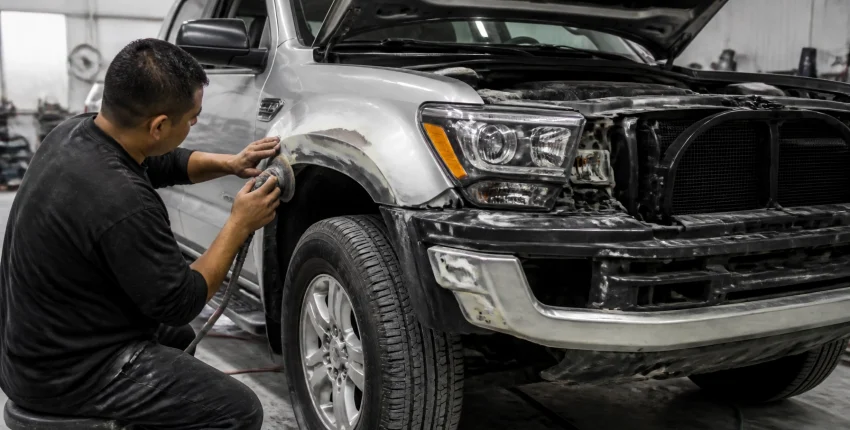
The damaged area must be cleaned and assessed before repair begins. Technicians may remove loose paint, level dents, repair imperfections, and sand the surface to create a stable foundation.
If filler or replacement parts are needed, they must be shaped and aligned properly. The surface should be smooth before primer and paint are applied.
2. Protecting Exposed Metal
Any area where the original paint has been removed needs proper protection. Primer and related coatings help create a barrier between the metal and the elements.
This matters for long-term rust prevention. Covering a spot quickly with an inexpensive touch-up may improve its appearance temporarily, but professional preparation is what helps keep moisture from working its way under the surrounding finish.
3. Matching and Blending the Color
Paint color is not always as simple as finding a code and spraying the same formula. The original finish may have changed with age, sunlight, washing, and exposure to the elements. Metallic and pearl finishes can also look different depending on the lighting and viewing angle.

Professional color matching considers the vehicle’s existing finish, not just the original color specification. In many repairs, the new color is blended into adjacent areas so the repaired panel does not stand out from the rest of the vehicle.
That attention to blending is especially important for everyday vehicles with localized damage. You want the repair to look natural in bright sunlight, shade, and indoor lighting: not only immediately after the vehicle leaves the shop.
4. Applying Clear Coat and Finishing the Repair
After the color is applied, clear coat provides the final layer of gloss and protection. The finish must then be allowed to cure properly before the vehicle receives its final inspection.
A careful inspection may look for:
- Uneven color or texture
- Dust or imperfections in the finish
- Visible transition lines
- Panel alignment issues
- Overspray on nearby components
- Proper operation of doors, hood, trunk, and lights
These finishing details are part of what separates professional body and paint work from a rushed cosmetic repair.
Collision Repair Should Include More Than the Outer Panel
After a collision, the damaged fender, door, or bumper may be the most visible concern. But impact energy can travel beyond the part that was struck.
Depending on the accident, a vehicle may also have damage involving brackets, support components, lighting, sensors, suspension parts, or other areas behind the exterior panel. A thorough body repair process considers how the vehicle fits together and whether it functions as intended after the repair.
If a door rubs, a hood sits unevenly, or a bumper does not line up correctly, those are reasons to have the vehicle evaluated by a professional. A proper repair should restore appearance while also addressing fit, operation, and protection.
For more information about the shop’s broader vehicle care services, visit the automotive repair services page.
Why Professional Work Can Protect Your Vehicle’s Value
Your vehicle’s exterior affects more than curb appeal. A clean, properly repaired finish can support resale value and help prevent small problems from becoming expensive ones.
Buyers notice mismatched paint, visible overspray, peeling clear coat, uneven panel gaps, and untreated rust. More importantly, those issues can signal that damage was covered rather than repaired.
Professional body and paint work provides a more complete solution by combining:
- Careful damage assessment
- Proper panel repair
- Corrosion-conscious preparation
- Accurate color matching
- Clear coat protection
- Final fit and finish inspection
That is valuable whether you drive a work truck, family SUV, commuter car, or older vehicle you plan to keep for years.
Choosing a Car Paint and Body Shop in Mason, TX
When you are comparing options for a car paint and body shop in Mason, TX, look for a team that will explain what needs to be repaired and why. A trustworthy shop should be willing to discuss the condition of the panel, the recommended repair method, the expected finish, and any underlying concerns.
It also helps to choose a local shop that can support more than one type of vehicle need. Mason Truck Accessories is a full-service automotive shop serving drivers in Mason and surrounding areas, with experience working on gas, diesel, and classic vehicles. Along with body and paint restoration, the team provides diagnostics, repairs, maintenance, performance work, and custom vehicle services.
The shop’s about page explains its local roots, more than eight years of industry experience, and commitment to treating customers like family.
Do Not Let a Dent Become a Bigger Problem
A dent, chip, or faded panel may seem like a minor inconvenience, but exterior damage can expose your vehicle to rust, worsen with weather, and reduce its overall condition. Professional auto body and paint work looks beyond the surface to restore the panel, match the finish, and protect the vehicle for the miles ahead.
If your vehicle has hail dings, collision damage, peeling clear coat, rock chips, scratches, or paint that no longer looks its best, contact Mason Truck Accessories at (325) 805-0604 or use the contact page to schedule an appointment. Get a clear assessment and a repair plan focused on keeping your vehicle looking good and protected around Mason, TX.